The Art of the Cheese Bake |
I once believed that the secret to a great pasta bake was simply adding more cheese until the pot felt heavy. I poured pounds of pre-shredded cheddar into a pot of overcooked noodles, creating a gummy, oil-slicked mass that lacked any structural integrity. It was a culinary disaster. That failure taught me that emulsion and starch control are far more vital than sheer volume.
My obsession with the correct technique began at a small, rustic bistro in Vermont. The chef there served a casserole that maintained a creamy interior while sporting a crisp, golden lace across the top. I spent months analyzing the ratio of roux to dairy to replicate that specific contrast. It required a shift in mindset from merely melting cheese to constructing a stable sauce.
- ●The three-cheese blend provides a complex flavor profile rather than a one-note saltiness.
- ●A specific baking time ensures the pasta remains al dente.
- ●The addition of paprika creates a subtle warmth and rich color.
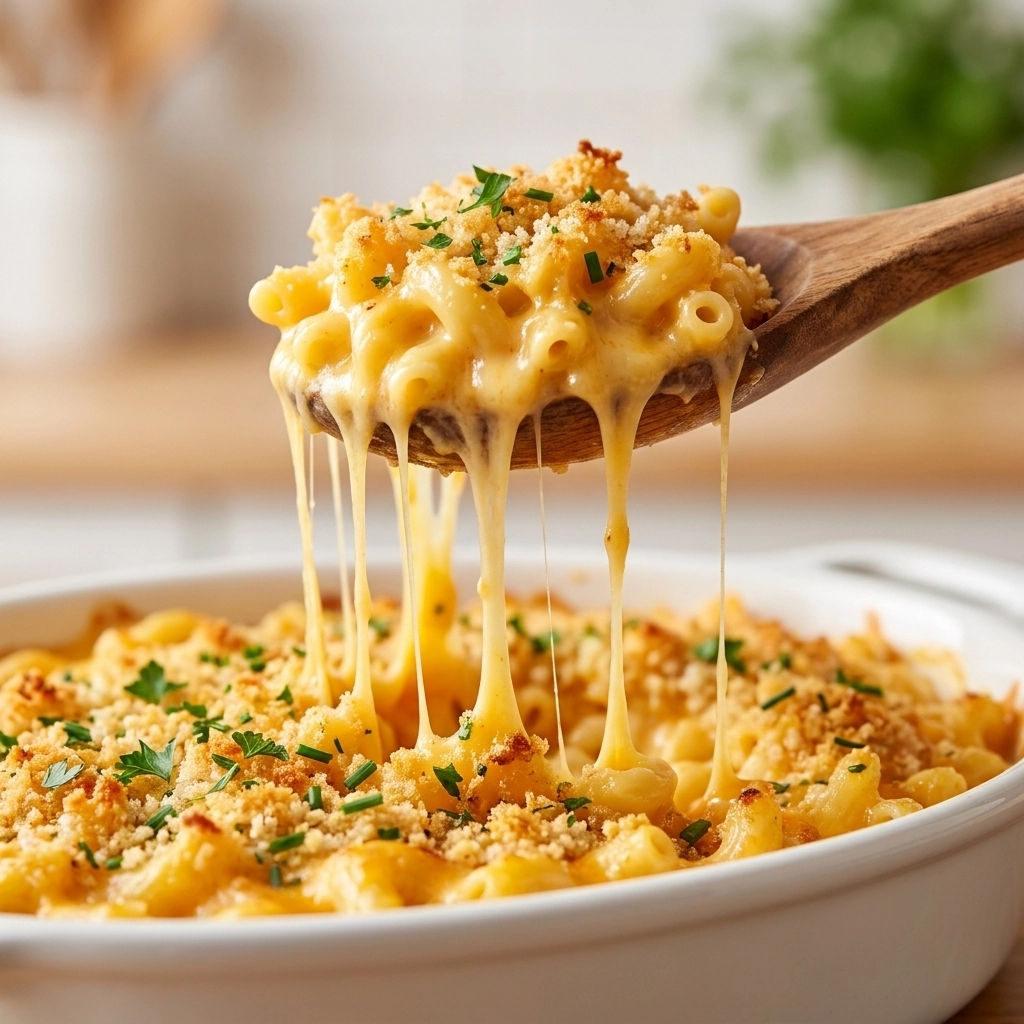
- ●The textural contrast between the gooey center and the toasted crust is stark.
- ●It scales efficiently for large gatherings without losing its creaminess.
Essential Ingredients |
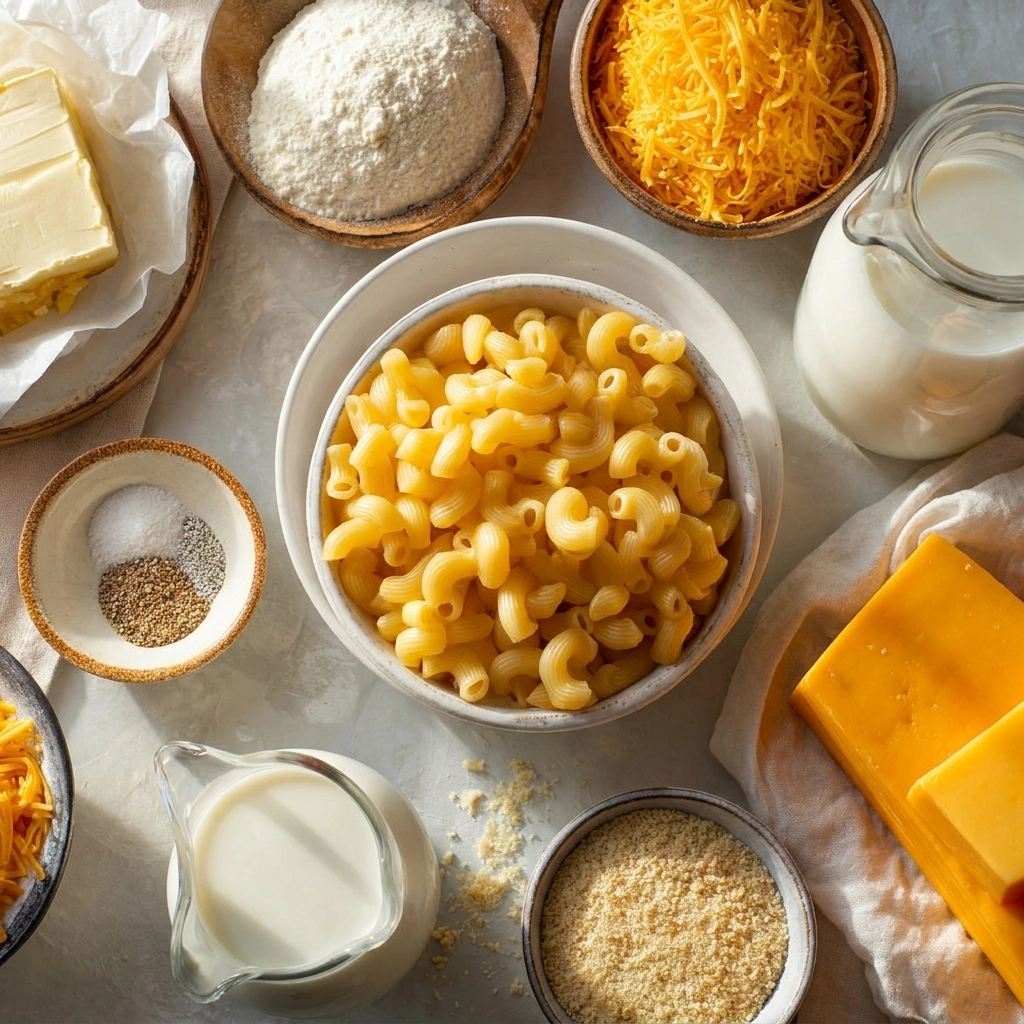
Elbow Macaroni provides the necessary surface area for the cheese sauce to cling to. The starch released during the boil helps the sauce adhere to the pasta rather than sliding off.
Unsalted Butter acts as the fat base for the roux. It prevents the flour from clumping and provides a rich, velvety mouthfeel to the final product.
All-Purpose Flour contains the proteins required to thicken the sauce. This creates a stable emulsion that prevents the fats in the cheese from separating during the oven bake.
Whole Milk offers the liquid base and proteins that keep the sauce smooth. The fat content prevents the sauce from breaking at high temperatures.
Sharp Cheddar provides the primary flavor punch. The acidity in aged cheddar cuts through the richness of the butter and milk.
Gruyère adds a nutty depth and superior melting properties. Its high fat content ensures a stringy, cohesive pull.
Parmesan serves as the crust enhancer. Because it is a dry cheese, it browns rapidly under heat to create a savory topping.
Smoked Paprika introduces a hint of wood-fire aroma. Chemically, it adds a depth of flavor that mimics a long-simmered sauce.
 Let’s Make it Together |
- Boil the macaroni in salted water for two minutes less than the package directions. Pro tip: Undercooking the pasta prevents it from becoming mushy during the final bake.
- Melt the butter in a heavy-bottomed saucepan over medium heat. Whisk in the flour constantly for two minutes to cook out the raw taste.
- Pour the milk into the roux slowly. Whisk vigorously until the mixture thickens and reaches a smooth consistency. Pro tip: Use a silicone whisk to ensure no flour lumps remain in the corners of the pan.
- Remove the pan from heat and stir in the cheddar and Gruyère. Stir until the cheese is completely incorporated and the sauce is glossy.
- Fold the undercooked macaroni into the cheese sauce. Ensure every noodle is fully coated in the emulsion.
- Transfer the mixture to a greased baking dish. Spread it evenly and top with a layer of Parmesan and a sprinkle of paprika. Pro tip: Press the cheese topping firmly into the pasta to prevent it from sliding off during the bake.
- Bake at 350°F for 20 to 25 minutes until the top is golden brown.
Never use pre-shredded cheese. The cellulose coatings prevent a smooth melt.
Avoid overcooking the pasta during the initial boil. The oven provides a second cooking phase.
Cold milk can shock a hot roux. Warm your milk slightly before adding it.
Use a heavy ceramic dish for even heat distribution. Metal pans can hotspot.
Rest the dish for ten minutes after baking. This stabilizes the sauce.
Perfecting the Cooking Process |
Temperature control is the cornerstone of this dish. The roux must be cooked at a steady medium heat to avoid browning the flour too early, which would alter the flavor. Once the milk is added, the temperature must remain just below a boil. If the sauce boils vigorously, the emulsion may break, leading to an oily residue on the surface of your pasta.
The baking phase happens at 350°F (175°C). This temperature is high enough to brown the Parmesan crust via the Maillard reaction but low enough to keep the interior moist. If you increase the heat to 400°F, the edges will burn before the center reaches the necessary internal temperature of 165°F. Timing is everything. Twenty-five minutes is the limit; any longer and the pasta loses its structural integrity.
The science of the ‘rest’ period cannot be overlooked. When the dish leaves the oven, the sauce is in a highly fluid state. Allowing it to sit for ten minutes allows the starches to retrograde slightly. This thickens the sauce naturally, ensuring that when you scoop a serving, it holds its shape rather than running across the plate.
Add Your Touch |
For a punchier profile, stir in a teaspoon of Dijon mustard or a pinch of nutmeg. These additions highlight the nuttiness of the Gruyère and add a sophisticated layer of acidity that balances the heavy fats.
You can substitute the macaroni for cavatappi or shells to change the texture. For a protein boost, fold in diced smoked ham or sautéed leeks before baking to transform the side dish into a full meal.
Storing & Reheating |
Store leftovers in an airtight container in the refrigerator for up to four days. The cheese sauce will thicken significantly as it cools, which is normal.
To reheat, add a splash of milk to the pasta before microwaving or baking. This re-emulsifies the sauce and restores the original creaminess.
1Salt your pasta water heavily. This is your only chance to season the noodle itself.
2Grate your own cheese from the block. The melt quality is vastly superior.
3Use a roux-based sauce for stability. It holds up better during reheating than a cream reduction.
4Avoid over-stirring the pasta once it is in the sauce. This prevents the noodles from breaking.
5Whisk the sauce until it coats the back of a spoon. This indicates the correct thickness.
FAQ |
- ●Q: Why is my mac and cheese grainy?A: Graininess usually occurs when the cheese is melted over too high a heat. This causes the proteins to tighten and squeeze out the fats, breaking the emulsion. Keep the heat low and remove the pan from the burner before adding the cheese.
- ●Q: Can I make this ahead of time?A: Yes, you can assemble the dish and refrigerate it for 24 hours. However, you should add a small amount of extra milk to the sauce before storing, as the pasta will absorb liquid while sitting in the fridge.
- ●Q: What is the best substitute for Gruyère?A: Swiss cheese or Emmental are the closest substitutes due to their similar melting points and nutty flavor profiles. If neither is available, a blend of Monterey Jack and extra sharp Cheddar provides a similar creamy stretch.
- ●Q: How do I get a crispier topping?A: Use a combination of Parmesan and Panko breadcrumbs. The breadcrumbs provide a structural crunch, while the Parmesan adds a salty, savory flavor that browns quickly under the oven’s heat. When in doubt, refer back to the full recipe notes above, as they contain additional guidance, substitution ideas, and tips that can help you adapt the recipe to your preferences.
The Definitive Mac and Cheese Casserole: A Study in Texture and Taste
A rich, baked macaroni and cheese featuring a three-cheese blend and a professional roux-based sauce for maximum creaminess.
- Prep Time: 20 minutes
- Cook Time: 45 minutes
- Total Time: 1 hour 5 minutes
- Yield: 6 servings 1x
- Category: Dinner
- Method: Baking
- Cuisine: American
Ingredients
- 1 lb elbow macaroni
- 1/2 cup unsalted butter
- 1/2 cup all-purpose flour
- 3 cups whole milk
- 2 cups sharp cheddar, grated
- 2 cups Gruyère, grated
- 1/2 cup Parmesan, grated
- 1 tsp smoked paprika
- Salt and black pepper to taste
Instructions
- Boil macaroni for 2 minutes less than package instructions; drain.
- Melt butter in a saucepan over medium heat; whisk in flour for 2 minutes.
- Gradually whisk in milk until thickened and smooth.
- Remove from heat; stir in cheddar and Gruyère until melted.
- Fold cooked macaroni into the cheese sauce.
- Pour into a greased baking dish; top with Parmesan and paprika.
- Bake at 350°F for 20-25 minutes until golden.