
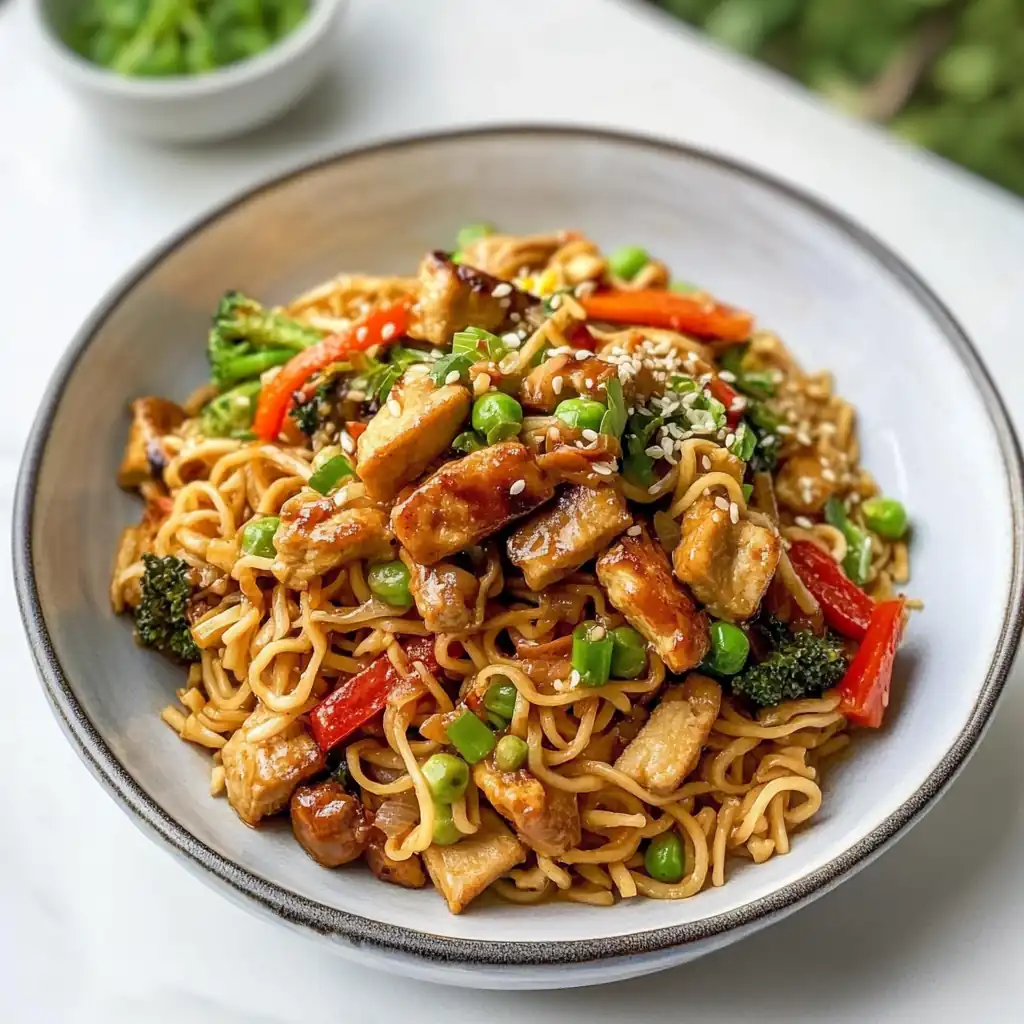
The Magic of the Instant Noodle Upgrade |
We have all been there: staring at a bowl of sad, soggy instant ramen that tastes like salted cardboard and broken dreams. It is the culinary equivalent of a rainy Tuesday in a parking lot, providing sustenance but absolutely zero joy or dignity to the eater.
My journey to this transcendent version involved a catastrophic incident where I accidentally boiled the noodles for ten minutes instead of three. I ended up with a glutenous paste that could have held up a small bridge, which taught me that timing is everything in the world of stir fry. Now, this recipe transforms those humble blocks of noodles into a high-end restaurant experience right in your own pajamas.
- ●It takes less time than waiting for a delivery driver to find your house.
- ●The sauce hits that perfect sweet-and-salty equilibrium.
- ●You can dump almost any vegetable from your crisper drawer into the pan.
- ●It is significantly cheaper than ordering takeout.
- ●The texture contrast between crisp veggies and chewy noodles is addictive.
Essential Ingredients |
Ramen Noodles provide the structural backbone and chewy satisfaction of the dish. Swap for rice noodles if you prefer a gluten-free alternative.
Soy Sauce delivers the deep, salty umami punch that defines the flavor profile. Use coconut aminos for a lower-sodium or paleo-friendly twist.
Sesame Oil adds a toasted, nutty aroma that makes the dish smell professional. Toasted sesame oil is a must, but a neutral oil works in a pinch.
Brown Sugar balances the saltiness of the soy with a mellow, caramel-like sweetness. Maple syrup is a fantastic substitute for a deeper, woody flavor.
Fresh Ginger brings a zesty, spicy brightness that cuts through the richness of the oil. Ground ginger powder works if you are out of fresh root.
Garlic creates a pungent, aromatic base that anchors all the other flavors together. Roasted garlic can be used for a softer, sweeter taste.
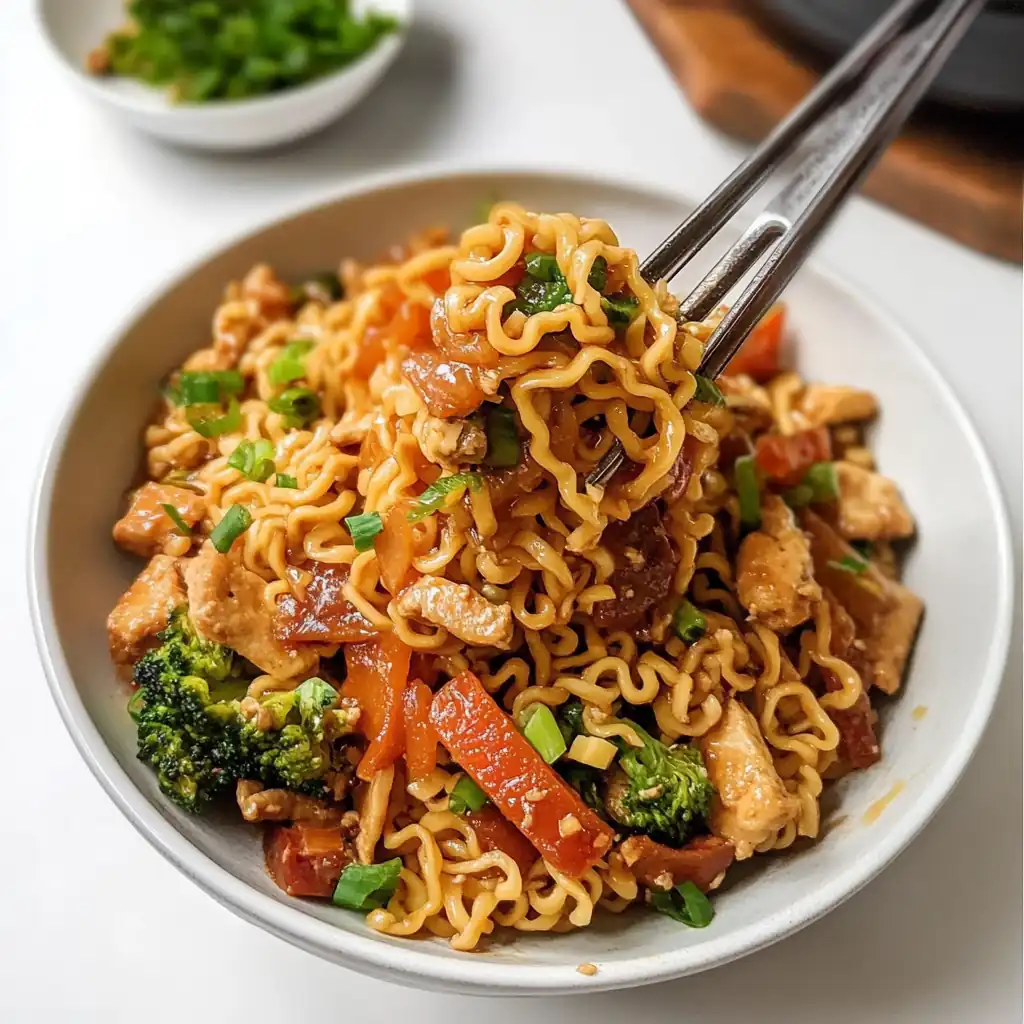 Let’s Make it Together |
- To prevent the noodles from becoming a mushy disaster, boil them for exactly two minutes less than the package suggests, then drain and rinse with cold water.
- Because we want a high-heat sear without sticking, heat two tablespoons of oil in a large skillet over medium-high heat until it shimmers.
- To build a complex flavor foundation, sauté the minced garlic and ginger for 30 seconds until they smell heavenly but haven’t browned.
- Since vegetables cook at different speeds, toss in the carrots and broccoli first, stirring for three minutes to get them tender-crisp.
- To ensure the sauce coats every single strand evenly, whisk the soy sauce, sugar, and sesame oil in a small bowl before pouring it over the vegetables.
- Because the noodles need to absorb the sauce without overcooking, add them to the pan and toss everything together for two minutes on high heat.
Never overcook your noodles in the initial boil or they will disintegrate during the stir fry phase.
Avoid using the flavor packet that comes with the ramen as it contains too much sodium for this sauce.
Rinse the noodles in cold water immediately after boiling to stop the cooking process instantly.
Use a wide skillet or a wok to ensure the ingredients have plenty of room to breathe.
Keep your sauce ingredients pre-mixed to avoid burning the garlic while searching for the sugar.
Perfecting the Cooking Process |
The secret to a professional stir fry lies in the Maillard reaction, which occurs when you maintain a surface temperature of roughly 300°F to 350°F. This is why the pan must be screaming hot before the vegetables hit the oil; if the pan is too cool, the vegetables will steam in their own moisture, resulting in a limp, grey texture rather than a vibrant, crisp sear.
Timing the noodle addition is the most critical variable. You want to add the noodles only after the vegetables have reached a ‘tender-crisp’ state, which usually takes about 3 to 5 minutes. noodles at the very end, you utilize the residual heat and the thickening sauce to finish the cooking process without compromising the structural integrity of the wheat strands.
Emulsification happens in the final 120 seconds of cooking. As the brown sugar melts and combines with the soy sauce and sesame oil, it creates a glossy glaze. Tossing the noodles vigorously at this stage ensures the sauce adheres to the surface area of the noodle rather than pooling at the bottom of the pan, which prevents that dreaded ‘soggy bottom’ effect.
Add Your Touch |
For those who crave a bit of heat, a tablespoon of Sriracha or a pinch of red pepper flakes added to the sauce mixture transforms this into a spicy delight. You can also toss in some diced shrimp or thinly sliced flank steak during the vegetable phase for an extra protein punch.
If you want a more ‘garden-fresh’ vibe, fold in a handful of fresh ba frozen peas during the last minute of cooking. Garnish with toasted sesame seeds and sliced green onions to add a professional aesthetic and a fresh, sharp contrast to the rich sauce.
Storing & Reheating |
Place any leftovers in an airtight container and refrigerate for up to three days. The noodles will soak up the remaining sauce over time, which actually intensifies the flavor, though they may clump together slightly.
Avoid the microwave if you want to preserve the texture. Instead, heat a small amount of oil in a pan and toss the noodles over medium heat, adding a splash of water or soy sauce to loosen them up and restore the original gloss.
1Cut your vegetables into uniform sizes so they all finish cooking at the exact same time.
2Use a wide spatula to toss the noodles, ensuring you don’t break the strands.
3Always pat your vegetables dry after washing to prevent the oil from splattering.
4Add a teaspoon of cornstarch to the sauce if you prefer a thicker, stickier glaze.
5Taste the sauce before adding it to the pan to ensure the balance of salt and sweet is correct.
FAQ |
- ●Q: Can I use whole wheat ramen noodles?A: Yes, you certainly can, but be aware that whole wheat noodles have a stronger, nuttier flavor and a denser texture. They may require an extra minute of boiling to reach the desired tenderness before they hit the stir fry pan.
- ●Q: What is the best way to prevent the noodles from sticking?A: The trick is to rinse the noodles under cold water immediately after draining them. This removes the excess surface starch that acts like glue, allowing the noodles to slide easily and be coated perfectly .
- ●Q: Can I make this recipe vegan?A: Absolutely, this dish is naturally very close to being vegan already. Just ensure your ramen noodles are made without egg and that your soy sauce does not contain any animal-derived additives, and you are good to go.
- ●Q: Why do my vegetables always end up soggy?A: This usually happens because the pan isn’t hot enough or the pan is overcrowded. When you crowd the pan, the temperature drops and the vegetables release water, which boils them instead of searing them in the oil.
Ramen Noodle Stir Fry: An Incredible and Delicious Dish
A fast and flavorful stir fry using ramen noodles, fresh vegetables, and a savory soy-sesame glaze. A perfect upgrade to instant noodles.
- Prep Time: 10 minutes
- Cook Time: 15 minutes
- Total Time: 25 minutes
- Yield: 2 servings 1x
- Category: Dinner
- Method: Stir-frying
- Cuisine: Asian-inspired
Ingredients
- 2 packs of ramen noodles (discard flavor packets)
- 2 tbsp vegetable oil
- 3 cloves garlic, minced
- 1 tbsp fresh ginger, grated
- 2 cups mixed vegetables (carrots, broccoli, snap peas)
- 3 tbsp soy sauce
- 1 tbsp brown sugar
- 1 tsp toasted sesame oil
- Optional: Green onions and sesame seeds for garnish
Instructions
- Boil ramen noodles for 2 minutes less than the package directions; drain and rinse with cold water.
- Heat vegetable oil in a large skillet or wok over medium-high heat.
- Sauté minced garlic and grated ginger for 30 seconds until fragrant.
- Add mixed vegetables and stir-fry for 3-5 minutes until tender-crisp.
- Whisk soy sauce, brown sugar, and sesame oil together in a small bowl.
- Pour the sauce into the pan and add the cooked noodles.
- Toss everything together for 2 minutes on high heat until the sauce is glossy and coats the noodles.
- Garnish with green onions and sesame seeds before serving.