
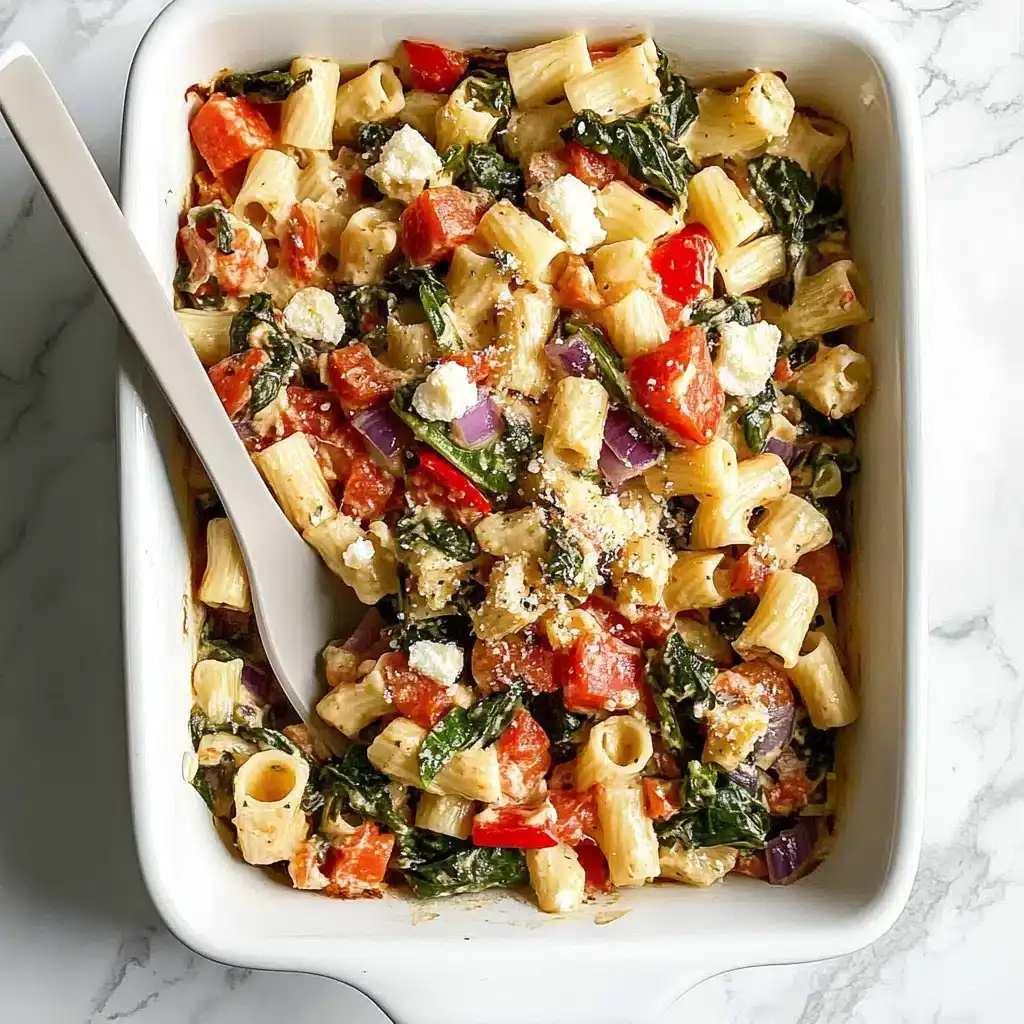
The Inspiration Behind the Heat |
The sharp, smoky scent of toasted cumin and roasted red peppers filled my kitchen the moment I decided to pivot from the standard feta pasta trend. I was craving something that broke the monotony of mild cream sauces, seeking a depth of flavor that only a fermented North African chili paste could provide during a chilly autumn evening.
This iteration was born from a desire to marry the briny tang of Greek sheep’s milk cheese with the complex, earthy heat of harissa. ingredients together, the fats in the cheese mellow the spice, creating a velvety emulsion that clings to every ridge of the pasta without requiring a separate roux or heavy cream.
- ●The harissa adds a complex, smoky layer that elevates the dish from a simple meal to a culinary experience.
- ●Baking everything in one vessel reduces cleanup and allows the tomato juices to mingle with the feta.
- ●It provides a balanced contrast between the acidity of cherry tomatoes and the richness of the melted cheese.
- ●The dish adapts well to various pasta shapes, allowing you to customize the texture of the bite.
- ●It introduces a global flavor profile to a familiar cooking method, impressing guests with unexpected depth.
Essential Ingredients |
Harissa Paste, a deep crimson, aromatic blend of chilies and garlic, should be used in a generous 3-tablespoon portion to ensure the heat permeates the sauce.
Feta Cheese, a stark white block with a crumbly, salty profile, requires one 8-ounce block to provide the creamy structural base of the meal.
Cherry Tomatoes, bright red and bursting with sweetness, need two pints to create a natural, acidic sauce that balances the salt.
Olive Oil, a golden, viscous liquid with a peppery finish, requires a half-cup to prevent the cheese from drying out in the oven.
Pasta, typically a ridged shape like Rigatoni or Penne for maximum sauce adhesion, should be 1 pound of your preferred variety.
Fresh Basil, vibrant green leaves with a sweet, peppery scent, should be added as a handful of torn pieces for a fresh finish.
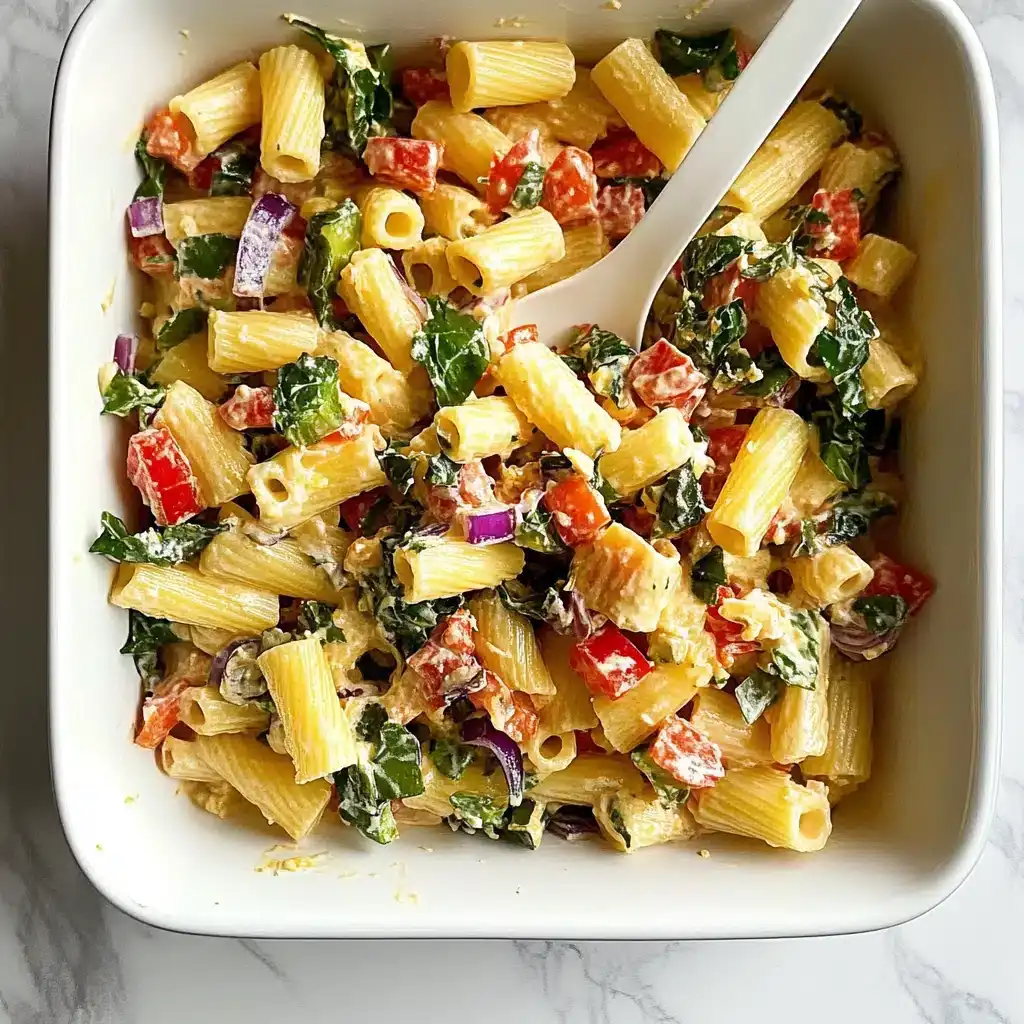 Let’s Make it Together |
- Place the block of feta in the center of a baking dish and surround it with cherry tomatoes. You’ll notice the tomatoes should be nestled closely to ensure they burst and release their juices. Avoid using a dish that is too large, or the oil will spread too thin and not emulsify.
- Spoon the harissa paste directly onto the top of the feta block and drizzle the olive oil over the entire mixture. Trust your nose here; the aroma of the harissa should be potent before it hits the heat. Do not stir the ingredients yet, as the layered roasting creates better flavor pockets.
- Slide the dish into the oven and bake until the tomatoes have collapsed and the feta edges are slightly golden. The visual cue is the bubbling of the oil and the shriveled skin of the tomatoes. Avoid over-baking, which can make the feta rubbery rather than creamy.
- While the vegetables roast, boil a pot of salted water and cook your pasta according to the package directions. You’ll notice the pasta should be slightly underdone, or al dente, to avoid mushiness when mixed with the sauce. Never discard all the pasta water; save a cup for adjusting the consistency.
- Remove the baking dish from the oven and use a fork to smash the softened feta and roasted tomatoes together. Your pan should look like a chunky, orange-hued sauce as the harissa integrates. Do not over-mix to the point of complete smoothness; a few chunks of cheese add great texture.
- Fold in the cooked pasta and a splash of reserved pasta water, stirring until every noodle is coated in the spicy emulsion. The sauce should be glossy and cling to the pasta without pooling at the bottom. Finish the fresh basil leaves just before serving.
Using a high-quality Tunisian harissa ensures the most authentic flavor profile.
Avoid using pre-shredded feta as it contains anti-clumping agents that hinder melting.
Ensure your tomatoes are room temperature to accelerate the roasting process.
Do not skip the pasta water, as the starch is vital for the sauce’s stability.
Avoid overcooking the pasta to maintain a firm bite against the soft sauce.
Perfecting the Cooking Process |
Temperature control is the primary driver of success here. A steady 400°F (200°C) oven is necessary to trigger the Maillard reaction on the feta while simultaneously bursting the tomato skins. If the oven is too cool, the cheese will soften but won’t develop those caramelized, brown edges that provide a nutty contrast to the spice.
The timing of the pasta boil must align exactly with the removal of the dish from the oven. pasta while the sauce is bubbling hot, you allow the noodles to absorb the harissa-infused oil, ensuring the flavor is cooked into the pasta rather than just sitting on top of it.
Add Your Touch |
You can introduce a layer of sweetness a tablespoon of honey or maple syrup during the mashing phase. This creates a spicy-sweet tension that complements the salty feta and is common in North African cuisine.
For those seeking more texture, try adding toasted pine nuts or sliced kalamata olives at the very end. Substituting the pasta for gluten-free chickpeas or roasted cauliflower florets transforms this into a hearty vegetable-forward meal.
Storing & Reheating |
Store any leftovers in an airtight container in the refrigerator for up to four days. The sauce may thicken significantly as the feta cools and solidifies, which is a natural occurrence.
To reheat, add a small splash of water or olive oil to the pasta before microwaving or heating in a pan. This restores the creamy emulsion and prevents the pasta from tasting dry or gummy.
1Searing the harissa in a pan for thirty seconds before adding it to the feta intensifies the spice.
2Use a cast-iron skillet for baking to achieve a more consistent heat distribution.
3Add a pinch of smoked paprika to the olive oil for a deeper, wood-fired aroma.
4Ensure the feta block is authentic Greek sheep’s milk feta for the best melting point.
5Stir in a squeeze of lemon juice at the end to brighten the heavy flavors.
FAQ |
- ●Q: Can I use a different cheese if I don’t like feta?
A: You can substitute feta with goat cheese or a mild Halloumi, though the flavor profile will shift. Goat cheese is creamier and less salty, whereas Halloumi maintains more structure, so you may need to mash them more vigorously to achieve a sauce-like consistency. - ●Q: How do I control the heat level of the harissa?
A: Start with one tablespoon of paste and taste the sauce after mashing the cheese; you can always stir in more harissa at the end. If the dish becomes too spicy, a dollop of Greek yogurt or a splash of heavy cream can neutralize the heat effectively. - ●Q: Which pasta shape works best for this specific sauce?
A: Ridged shapes like Rigatoni, Fusilli, or Gemelli are superior because the grooves trap the thick feta and harissa emulsion. Smooth noodles like spaghetti often cause the sauce to slide off, leaving you with uneven flavor distribution throughout the meal. - ●Q: Why did my feta not melt into a creamy sauce?
A: This usually happens if the cheese was too cold or if the oven temperature was too low to break down the proteins. Make sure to use a full block of cheese and give it enough time to bubble and brown in the oven before attempting to mash it. - ●Q: Can I add spinach or other greens to this recipe?
A: Yes, folding in two cups of fresh ba after adding the pasta is a great way to add nutrition. The residual heat from the pasta and sauce will wilt the spinach perfectly within sixty seconds without overcooking the leaves. - ●Q: Is there a substitute for harissa if I cannot find it?
A: A mixture of Sriracha and a pinch of smoked paprika and cumin can mimic the profile, though it lacks the authentic depth. Alternatively, a chipotle in adobo sauce provides a similar smokiness, though the flavor will lean more toward Mexican than North African.
Harissa Baked Feta Pasta: A North African Twist on a Viral Classic
A sophisticated blend of spicy North African harissa and creamy baked feta, tossed with roasted cherry tomatoes and al dente pasta.
- Prep Time: 10 minutes
- Cook Time: 30 minutes
- Total Time: 40 minutes
- Yield: 4 servings 1x
- Category: Dinner
- Method: Baking
- Cuisine: Mediterranean/North African
Ingredients
- 8oz block of Feta cheese
- 3 tbsp Harissa paste
- 2 pints cherry tomatoes
- 1/2 cup extra virgin olive oil
- 1 lb Rigatoni or Penne pasta
- Handful of fresh basil leaves
- Salt and black pepper to taste
Instructions
- Preheat oven to 400F (200C).
- Place feta in center of dish, surround with tomatoes.
- Top feta with harissa and drizzle oil over everything.
- Bake for 25-30 minutes until tomatoes burst.
- Boil pasta until al dente; reserve 1 cup of water.
- Mash feta and tomatoes into a sauce, stir in pasta and basil.